
Session 3 · Stress & Nervous System
Your Nervous System
& Your Fertility
Chronic stress is not just uncomfortable. It directly suppresses the hormones needed for ovulation, implantation, and a healthy pregnancy. Understanding the biology — and knowing what to do about it — changes everything.
The Science
How Stress Suppresses Your Reproductive System
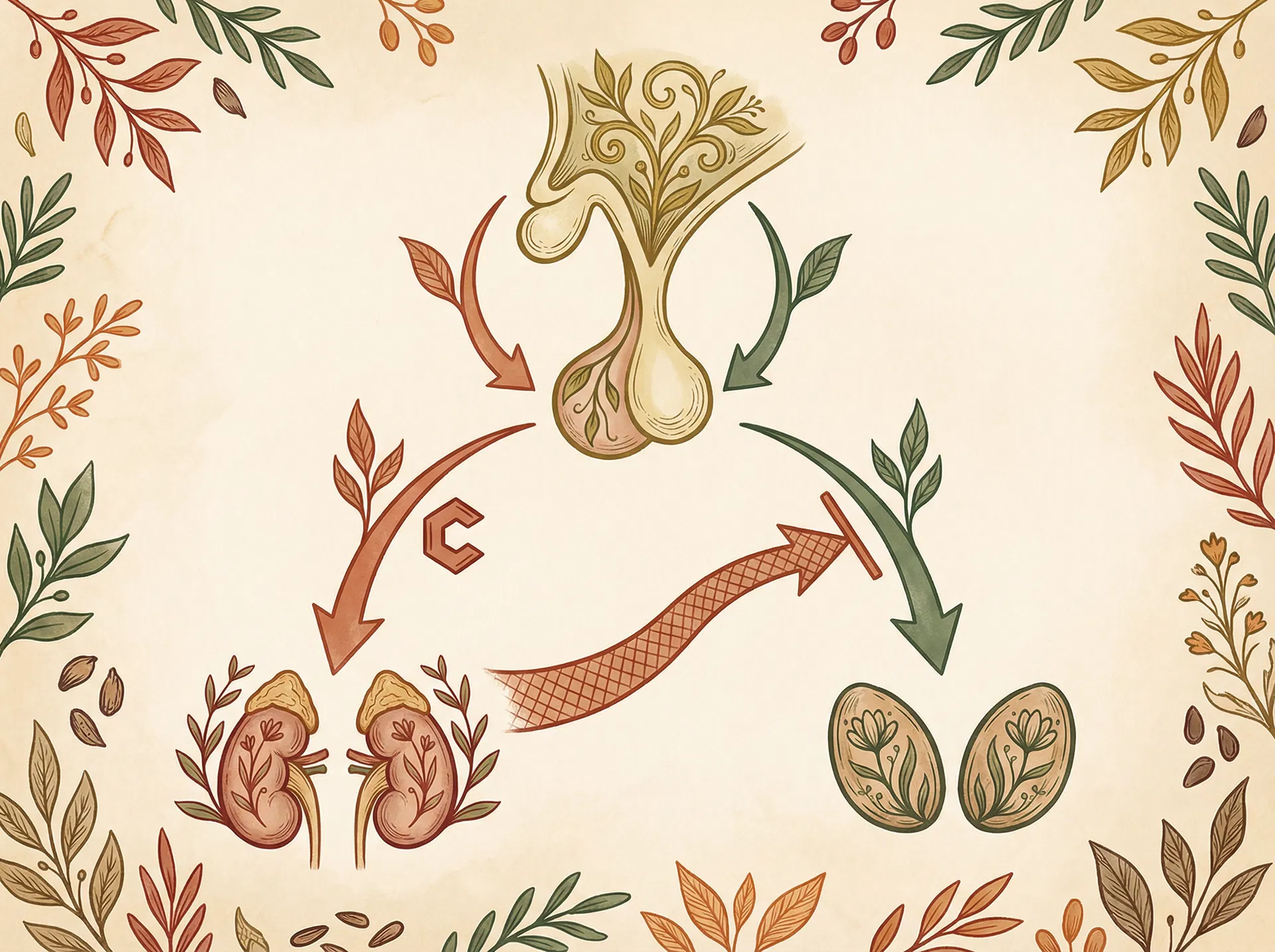
The HPA axis (hypothalamic-pituitary-adrenal) and the HPG axis (hypothalamic-pituitary-gonadal) share the same starting point — the hypothalamus. When the body perceives chronic stress, the hypothalamus prioritises the HPA axis, producing CRH and ultimately cortisol. This comes at a direct cost to the HPG axis.
Elevated cortisol suppresses GnRH pulsatility — the hormonal signal that initiates the entire ovulation cascade. It also competes with progesterone at receptor sites, meaning that even when progesterone levels appear normal on a blood test, its biological effect is diminished.
In men, chronic cortisol suppresses testosterone production in the Leydig cells of the testes, reducing sperm production, motility, and DNA integrity. The fertility journey itself — with its anxiety, grief, and uncertainty — is one of the most significant sources of HPA dysregulation we see clinically.
Interactive Stress Audit
Is Stress Affecting Your Fertility?
Tap any symptom you recognise to see how it connects to your hormonal and reproductive health.
If you recognise 3 or more of these symptoms, HPA axis support should be a priority in your protocol. Please bring this to your next session.
Your Toolkit
6 Evidence-Based Strategies for Nervous System Regulation
Tap each strategy to read the clinical detail and physiological mechanism.

The Key Mechanism
The Cortisol–Progesterone Connection
Cortisol and progesterone are made from the same precursor — pregnenolone. When the body is under chronic stress and demands more cortisol, it "steals" pregnenolone from the progesterone pathway. This is known as the "pregnenolone steal."
The result is lower progesterone production — even when the ovaries are functioning normally. Low progesterone shortens the luteal phase, impairs uterine lining preparation, and makes implantation more difficult.
This is why nervous system regulation is not a "nice to have" in a fertility protocol. It is a direct intervention in progesterone production and luteal phase quality.
Herbal & Nutritional Support
Targeted Support for the HPA Axis
These herbs and nutrients are selected based on your individual presentation. Your practitioner will prescribe the specific combination and dose appropriate for your pattern. Do not self-prescribe adaptogens without guidance — some are contraindicated in certain fertility presentations.
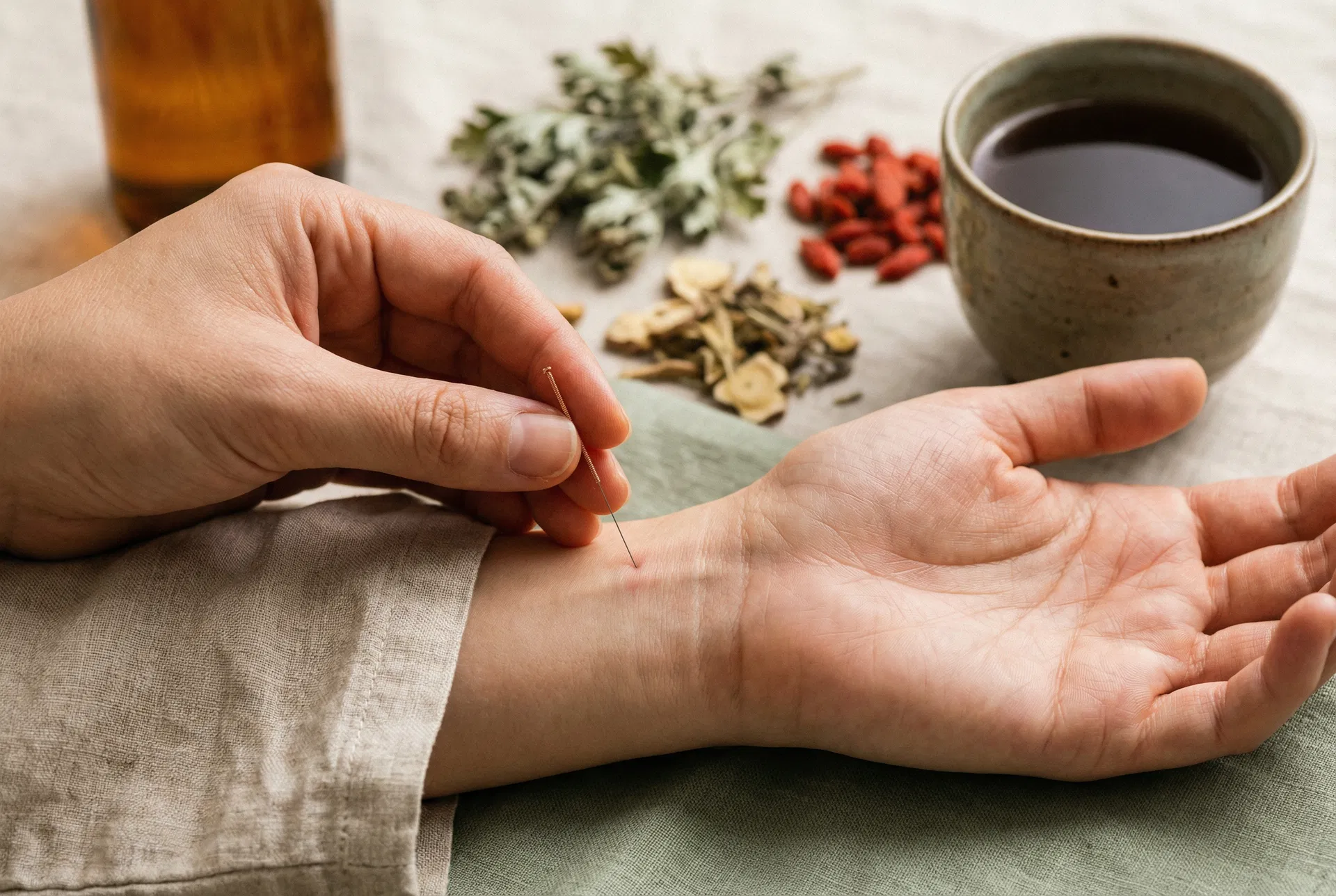
Reduces cortisol, supports adrenal function, improves thyroid hormone conversion. Evidence shows it reduces cortisol by up to 30% in chronically stressed individuals. Also improves sperm quality in men under stress.
Reduces fatigue and burnout, improves HPA axis resilience, and has been shown to improve fertility in women with stress-related amenorrhoea.
Reduces anxiety and improves sleep quality via GABA modulation. Particularly effective for the 'wired but tired' pattern and pre-sleep anxiety.
Ziziphus seed contains saponins and flavonoids that modulate GABA-A receptors and reduce sympathetic nervous system activity. Clinical studies show significant improvements in sleep onset, sleep duration, and anxiety scores. Particularly indicated for the pattern of night waking with a racing mind.
The most depleted mineral in chronically stressed individuals. Magnesium is a cofactor in over 300 enzymatic reactions, including cortisol regulation, progesterone synthesis, and sleep. Glycinate form is best absorbed and least likely to cause digestive upset.
Essential for adrenal cortex function and cortisol synthesis. Deficiency impairs the adrenal glands' ability to respond appropriately to stress — contributing to both excess and insufficient cortisol patterns.
Your Action Plan
Stress & Nervous System Checklist
Tick each item as you implement it. Bring your progress to your next session.
Daily Practice
Weekly Practice
Nutritional Support
Mindset & Emotional Health
B.Nourishd Patient Hub
Questions? Reply to any email from Tania.
The unlimited email support is one of the most important parts of this program. No question is too small.
Back to Patient Hub